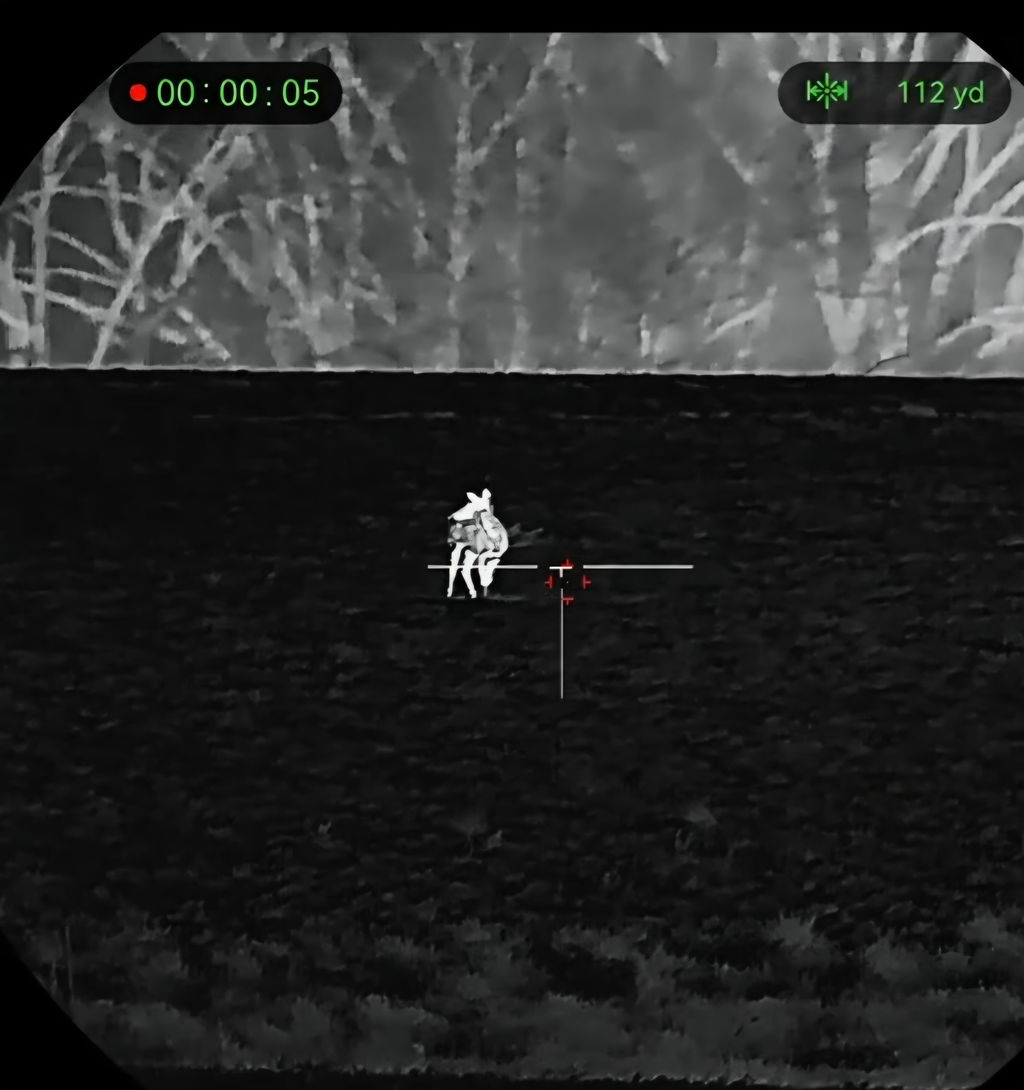
DNT Optics Comparison: Hydra, ThermNight & ZULUS HD V2
Bruce NolanShare
Choosing among today’s DNT optics comes down to one important question: Do you need thermal detection, detailed digital night vision, or both technologies in one scope?
The DNT lineup includes dedicated thermal scopes, multispectral systems, and digital day/night scopes. Each option serves a different hunting style, environment, and expected shooting distance. This DNT optics comparison examines the Hydra HS650, Hydra HS650R, ThermNight 640, and two ZULUS HD V2 models to help you decide which one best fits your needs.
Quick DNT Optics Comparison
| Model | Imaging system | Laser rangefinder | Best suited for |
|---|---|---|---|
| DNT Hydra HS650 | 640×512 thermal | No | Versatile thermal use |
| DNT Hydra HS650R | 640×512 thermal | Yes | Thermal hunting with ranging and ballistics |
| DNT ThermNight 640 | Thermal and digital night vision | Yes | Detection and identification in one scope |
| DNT ZULUS HD V2 3-12X | Digital day/night vision | Yes | General-purpose hunting at closer to moderate distances |
| DNT ZULUS HD V2 5-20X | Digital day/night vision | Yes | Longer-distance identification and shooting |
DNT Hydra HS650: Versatile Thermal Performance
The DNT Hydra HS650 is designed for hunters who want one thermal device that can fill several roles.
It can operate as:
- A standalone thermal riflescope
- A front-mounted thermal clip-on
- A handheld thermal monocular
Its 640×512 thermal sensor helps detect heat signatures in complete darkness, light vegetation, fog, and other difficult viewing conditions. DNT’s Super Resolution processing is intended to preserve more image definition when digital magnification is applied.
The Hydra HS650 uses interchangeable flat-top 18650 batteries. Its lightweight aluminum housing is IP67-rated and rated to withstand recoil up to .50 BMG. This combination makes it a strong option for hunters who value flexibility more than an integrated laser rangefinder.
Best choice for: Someone who wants a capable 640 thermal that can move between handheld, clip-on, and standalone-scope use.
DNT Hydra HS650R: Thermal With Integrated Ranging
The DNT Hydra HS650R adds two important features to the Hydra platform: an integrated laser rangefinder and a ballistic calculator.
The rangefinder measures the distance to a target, while the ballistic calculator can provide a calculated aiming solution based on the ammunition and rifle information entered by the user. This reduces the need to carry and operate a separate rangefinder.
Like the standard HS650, the HS650R can function as a standalone scope, thermal clip-on, or handheld monocular. It is the more complete Hydra option for hunters who regularly encounter situations where judging distance accurately is difficult.
Best choice for: Hunters who want the versatility of the Hydra HS650 plus onboard ranging and ballistic assistance.
DNT ThermNight 640: Thermal and Night Vision Combined
The DNT ThermNight 640 combines a 640×512 thermal sensor with a Sony STARVIS 2 digital sensor.
Thermal imaging is excellent for locating heat signatures, but digital night vision can provide more recognizable target detail under suitable lighting. The ThermNight allows the user to switch between those two systems or display them together using Picture-in-Picture mode.
It also includes:
- An integrated laser rangefinder
- A built-in ballistic calculator
- A detachable infrared illuminator
- A 1920×1080 micro-OLED display
- An interchangeable 21700 battery
This makes the ThermNight particularly useful when thermal detection alone does not provide enough visual detail for confident identification.
Best choice for: Hunters who want thermal detection and digital target identification without carrying two separate optics.
DNT ZULUS HD V2 3-12X: Digital Night Vision for General Hunting
The DNT ZULUS HD V2 3-12X is a dedicated digital day and night vision scope.
It uses a Sony STARVIS 2 sensor, ED glass, and a 1920×1080 micro-OLED display. An integrated laser rangefinder and ballistic calculator provide ranging and aiming information without requiring separate equipment.
Its 3-12X magnification range makes it the more versatile ZULUS option for hunters working at closer to moderate distances. The V2 design also includes extended eye relief, a traditional magnification lever, and an interchangeable 21700 battery with extended operating time.
Unlike thermal imaging, digital night vision depends on available light or infrared illumination at night. In return, it can provide more familiar visual details that help with target identification.
Best choice for: Hunters who prioritize digital image detail and want a practical magnification range for varied hunting distances.
DNT ZULUS HD V2 5-20X: Higher Magnification for Longer Distances
The DNT ZULUS HD V2 5-20X offers the same general digital day/night platform with a higher 5-20X magnification range.
That additional magnification is intended for situations where targets are observed or engaged at greater distances. It retains the integrated laser rangefinder, ballistic calculator, Sony STARVIS 2 sensor, and rechargeable 21700 battery system found in the V2 lineup.
The tradeoff is that its higher starting magnification provides a narrower field of view than the 3-12X model. Hunters working in tighter terrain may therefore prefer the lower-magnification version.
Best choice for: Hunters and precision shooters who need greater magnification for more distant targets.
Which DNT Optic Should You Choose?
Choose the Hydra HS650 if you want a versatile 640 thermal and do not need a built-in rangefinder.
Choose the Hydra HS650R if you want the same multi-function thermal design with integrated ranging and ballistic calculations.
Choose the ThermNight 640 if you want thermal detection and digital night vision in one optic.
Choose the ZULUS HD V2 3-12X if you prefer digital day/night imaging and hunt primarily at closer to moderate distances.
Choose the ZULUS HD V2 5-20X if you prefer digital imaging but need additional magnification for longer-range use.
Final Thoughts
There is no single DNT optic that is best for every hunter. The Hydra models emphasize thermal detection and versatility. The ThermNight combines thermal and digital imaging, while the ZULUS HD V2 models focus on detailed digital day and night viewing.
Consider your typical terrain, target distance, identification needs, and whether an integrated laser rangefinder is important. If you are still unsure, contact Night Vision Universe for help comparing the available DNT optics before making your selection.